堀内マキコ
Makiko Horiuchi
Art ENCOUNTERS #10
Art ENCOUNTERS #10
2026.02.06 – 03.30
SHABA 11:00 – 14:00 / 17:00 – 22:00
OMIYA ART WALL 11:00 – 22:00
OMIYA ART WALL / SHABA | Omiya
330-0846
埼玉県さいたま市大宮区大門町2-118 大宮門街5F
四季彩舎が提案するアーティストの作品を、展覧会形式で紹介するシリーズ「ART ENCOUNTERS」は、本展で10回目を迎えます。節目となる今回は、堀内マキコの個展を開催いたします。
堀内マキコは、人の心のかたちを探るようにイメージを膨らませながら、制作を続けてきました.
その作品には、可愛らしさや美しさといった親しみやすい印象と同時に、どこか恐ろしさや不気味さを感じさせる要素が共存しています。一つの存在の中に相反する感覚が重なり合うその在り方は、鑑賞者や、作品と向き合うタイミングによって、異なる印象として立ち現れます。
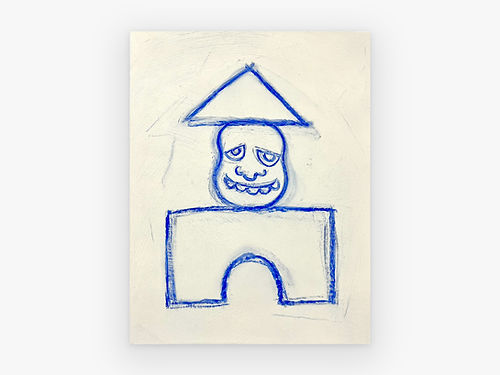
本展では、狂言面をモチーフとした小立体作品と、それに呼応する平面作品、そして石板による作品群を展示します。小立体および平面作品では、遊び心を起点にイメージが展開され、どこかユーモラスでありながらも、容易には掴みきれない存在感を持つ形象が現れます。
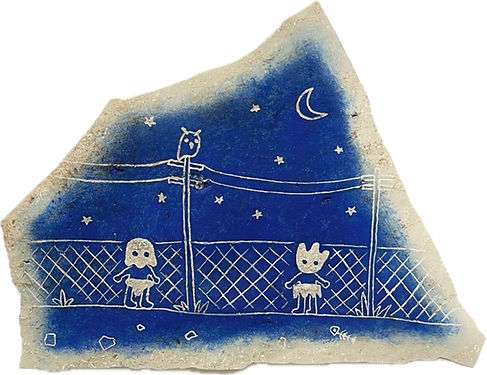
一方、石板の作品は、より静謐な佇まいの中に、他者や自身を見つめる視線を内包し、かすかな不穏さや緊張感を宿しています。 堀内の制作全体に通底するキーワードは「異物」です。異物とは、普通とは異なり、違和感を与える存在を指します。しかしそれは、特別に遠いものではなく、むしろ私たちの身近な場所や、自身の内側に潜んでいるものでもあります。
スマートフォンやSNSの普及によって、私たちは他者の価値観や日常に、かつてないほど容易に触れられる社会に生きています。そこで生じる違和感や戸惑いは、時に他者を拒絶する理由となり、同時に、理解へと向かう契機にもなり得ます。
「異物」と感じるその瞬間は、自身の偏りや文化的背景を照らし返すと同時に、自分自身もまた誰かにとっての「異物」であることを示しています。 堀内マキコの作品は、「異物との遭遇」がもたらす緊張や揺らぎを、造形として掬い取ろうとする試みです。その緊張は危うさを孕みながらも、新たな視点や価値、関係性を生み出す可能性を秘めています。
本展が、作品と向き合う時間を通して、鑑賞者それぞれが自身と他者の距離を静かに問い直す機会となれば幸いです。
English below
ART ENCOUNTERS, a series in which Shikisaisha presents selected artists through an exhibition format, reaches its tenth edition with this exhibition.
Marking this milestone, we are pleased to present a solo exhibition by Makiko Horiuchi.
Makiko Horiuchi has continued her practice by expanding images as if searching for the shapes of the human mind.
Her works simultaneously evoke a sense of familiarity—such as cuteness or beauty—while also containing elements that feel unsettling or eerie.
Within a single presence, opposing sensations coexist, and the way these works are perceived shifts depending on the viewer and the moment of encounter.
This exhibition presents a group of small sculptural works inspired by kyōgen masks, corresponding two-dimensional works, and a series of works on stone slabs.
In the small sculptures and two-dimensional works, ideas unfold playfully, giving rise to images that are humorous yet elusive, resisting easy grasp.
By contrast, the stone slab works possess a quieter presence, imbued with subtle tension and unease, as they internalize a gaze directed toward others and toward the self.
A key concept running through Horiuchi’s entire body of work is that of the “foreign body.
A foreign body refers to something that deviates from the norm and generates a sense of discomfort. Yet it is not something distant or extraordinary; rather, it exists close to us, or even within ourselves.
With the widespread use of smartphones and social media, we live in a society where we can easily access the daily lives and values of others.
The discomfort and hesitation that arise from these encounters can become reasons for rejection, but they can also serve as opportunities for understanding.
The moment one perceives something as a “foreign body” reflects one’s own biases and cultural background, while simultaneously revealing that one may also be a “foreign body” to someone else.
Makiko Horiuchi’s work can be seen as an attempt to give form to the tension and instability brought about by encounters with the foreign body.
While this tension carries a sense of vulnerability, it also holds the potential to generate new perspectives, values, and relationships.
Through this exhibition, we hope that time spent engaging with the works will offer viewers an opportunity to quietly reconsider the distance between themselves and others.
堀内マキコ Makiko Horiuchi
神奈川県出身、茨城県在住。主に立体作品を制作。
日本民俗学における「マレビト」の概念を手がかりに、特撮やアニメ、日本のサブカルチャーと接続しながら、現代における人間像やコミュニケーションの在り方を探る。
Born in Kanagawa, based in Ibaraki. Works primarily with sculpture.
Drawing on the concept of “marebito” in Japanese folklore, she explores contemporary human figures and modes of communication, connecting traditional beliefs with influences from tokusatsu, anime, and Japanese subculture.