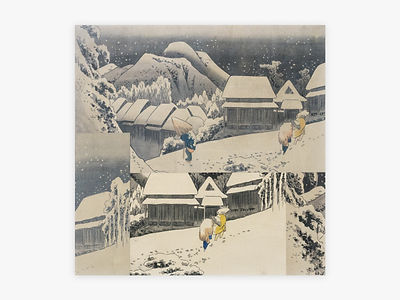

Reo Kikuchi creates paintings that interrogate the very act of “seeing” through the reconstruction of historical pictorial images.
His practice originates from his nine-year study of Nihonga (Japanese painting) at Tokyo University of the Arts, from undergraduate to doctoral level. While reflecting on the institutional framework and positioning of Nihonga, he developed an interest in how images are perceived, categorized, and circulated, leading to an epistemological inquiry into how we recognize and relate to visual images.
In his early works, Kikuchi explored layered compositions such as “images within images,” incorporating multiple frames and viewpoints. In his representative series “Copy and paste,” he digitally collages historical imagery—including works by Katsushika Hokusai—and manually transfers the output onto canvas. This process creates a structure in which digital operations and hand-based techniques intersect, questioning the conditions under which painting exists.
In the more recent “Seen being seen” series, motifs such as cyanotype-like human figures, mirrors, and frames visualize the reciprocal relationship between seeing and being seen. Viewers are placed within a dynamic exchange of gaze, where the act of looking itself becomes part of the work.
In an age of AI-generated imagery and the infinite production of visual media, Kikuchi reconsiders the meaning of seeing. He approaches painting not as a fixed visual object, but as something that emerges organically through its relationship with the viewer and its surrounding environment.
Born in Japan in the 1990s. He received his PhD in Fine Arts from Tokyo University of the Arts in 2023. His works are held in the collection of the University Art Museum, Tokyo University of the Arts. Major solo exhibitions include “What’s Spotlight?” (Art ID, Tokyo, 2024) and “This is not ‘ ’” (Ginza Tsutaya Books, Tokyo, 2024).
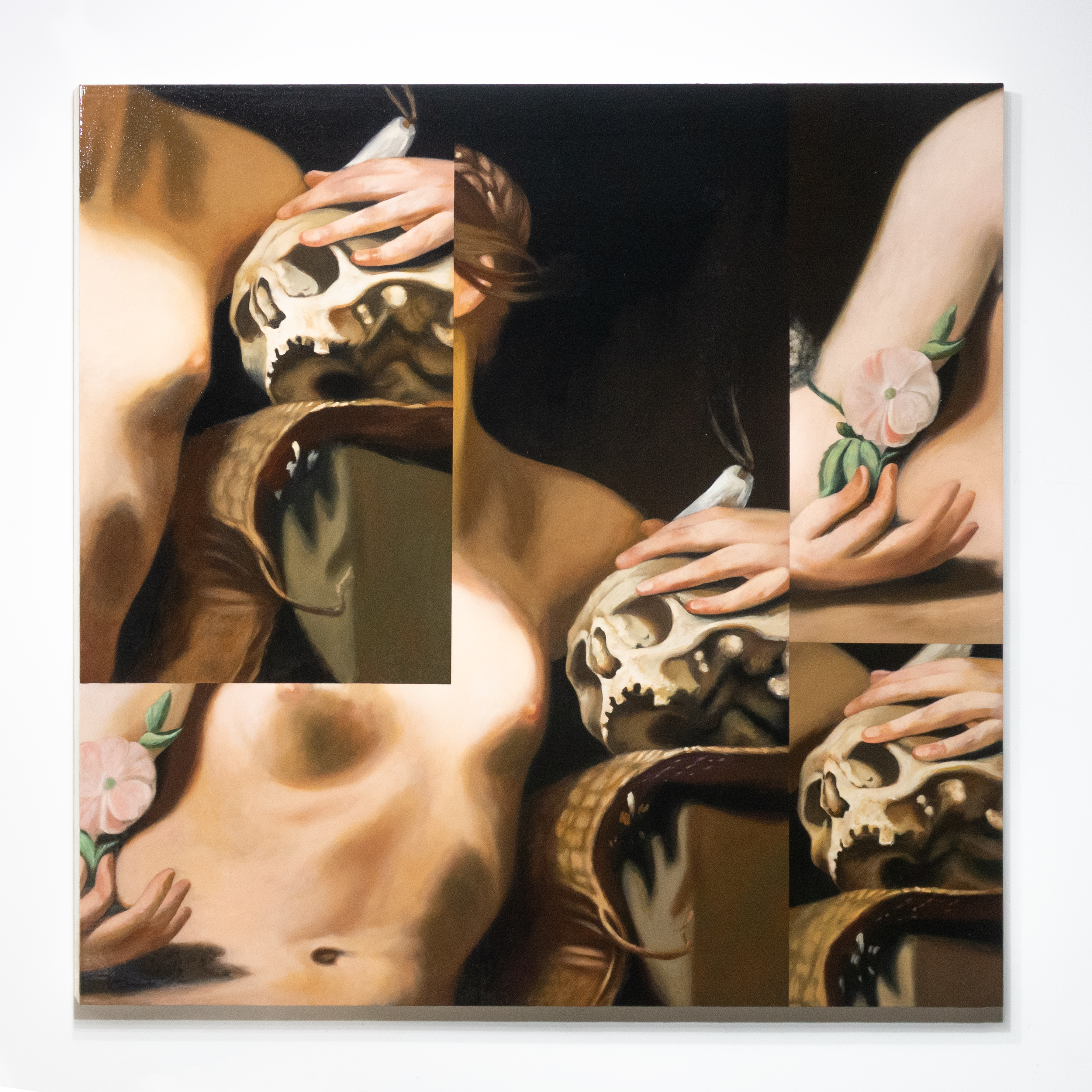
copy and paste2616, 2026
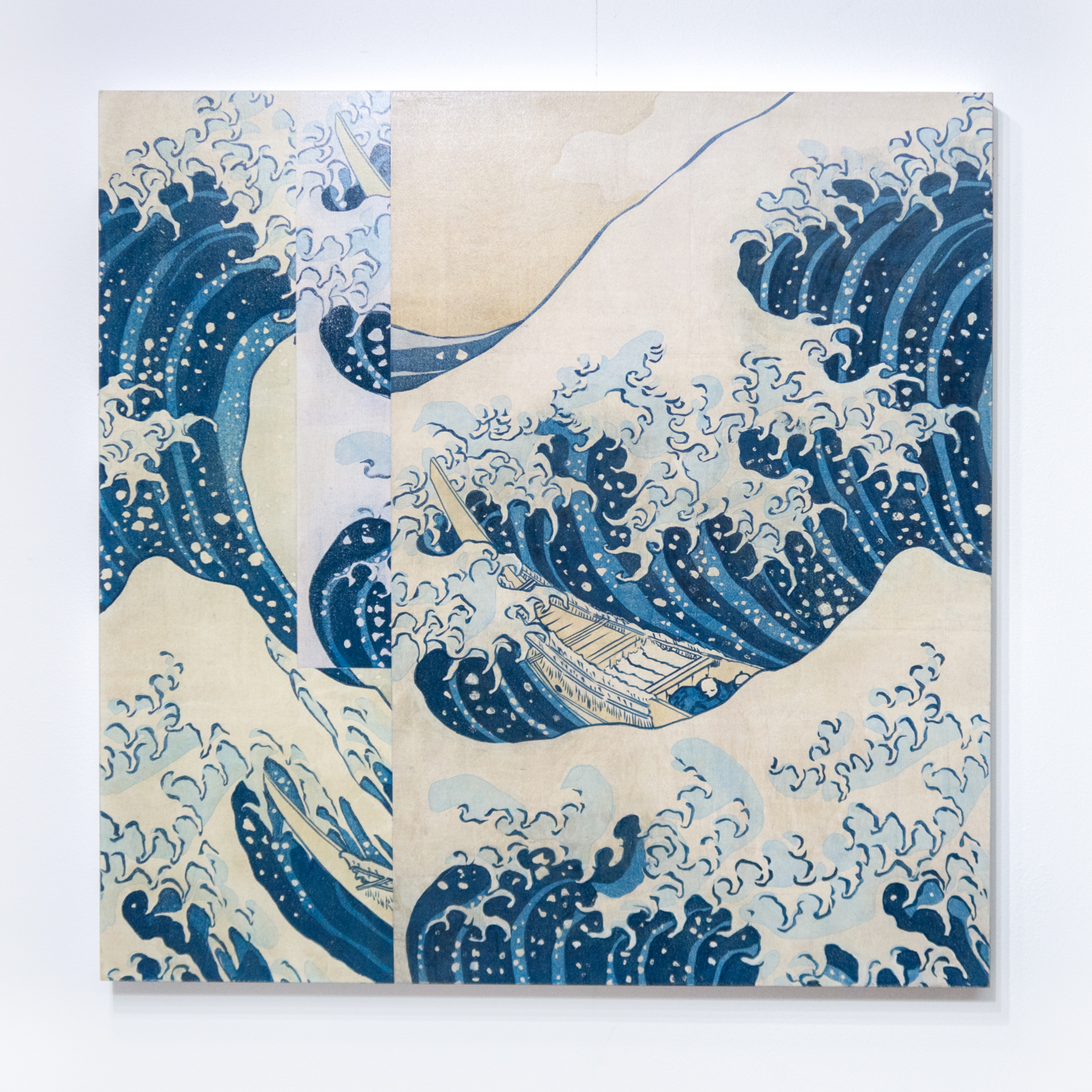
copy and paste2609, 2026
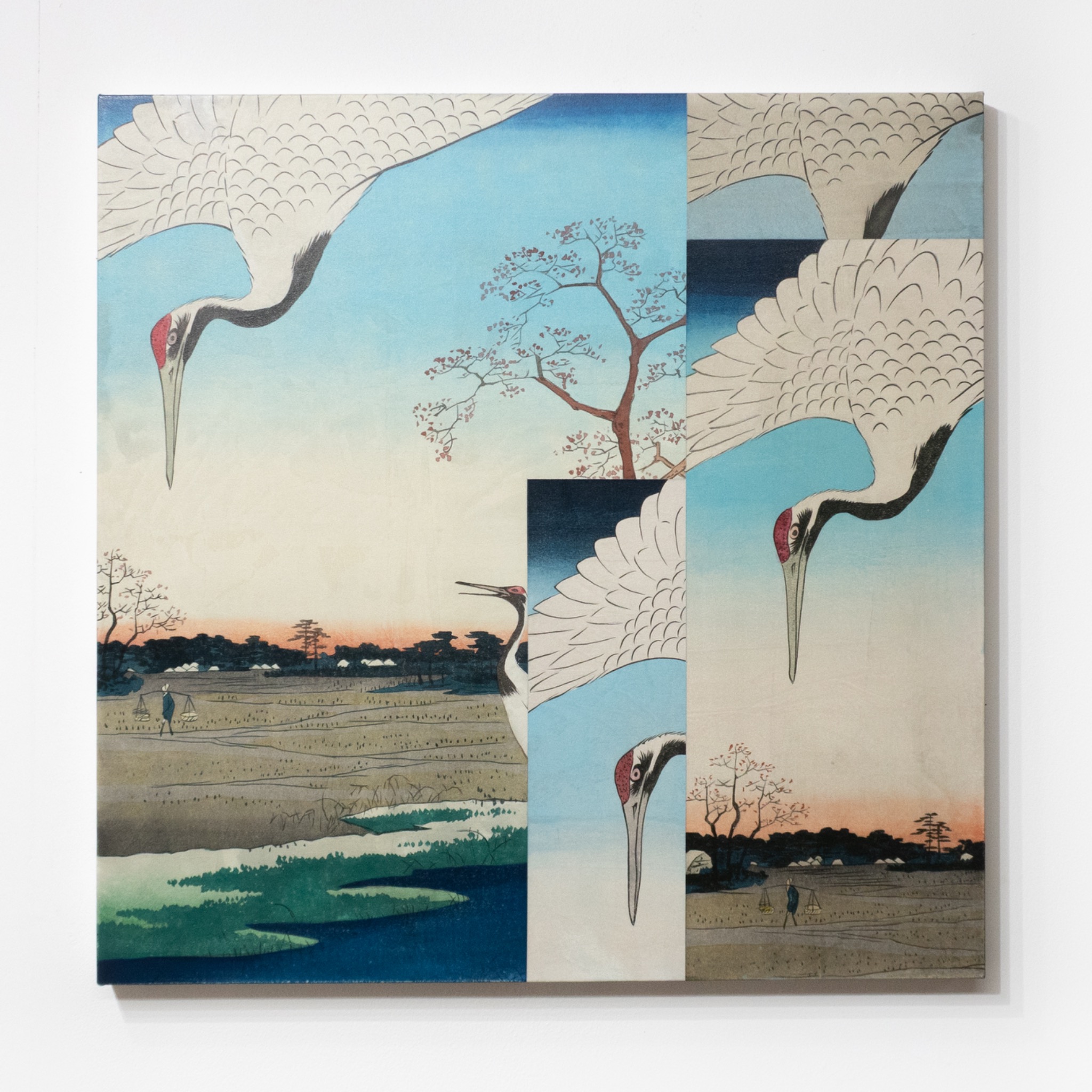
copy and paste2612, 2026
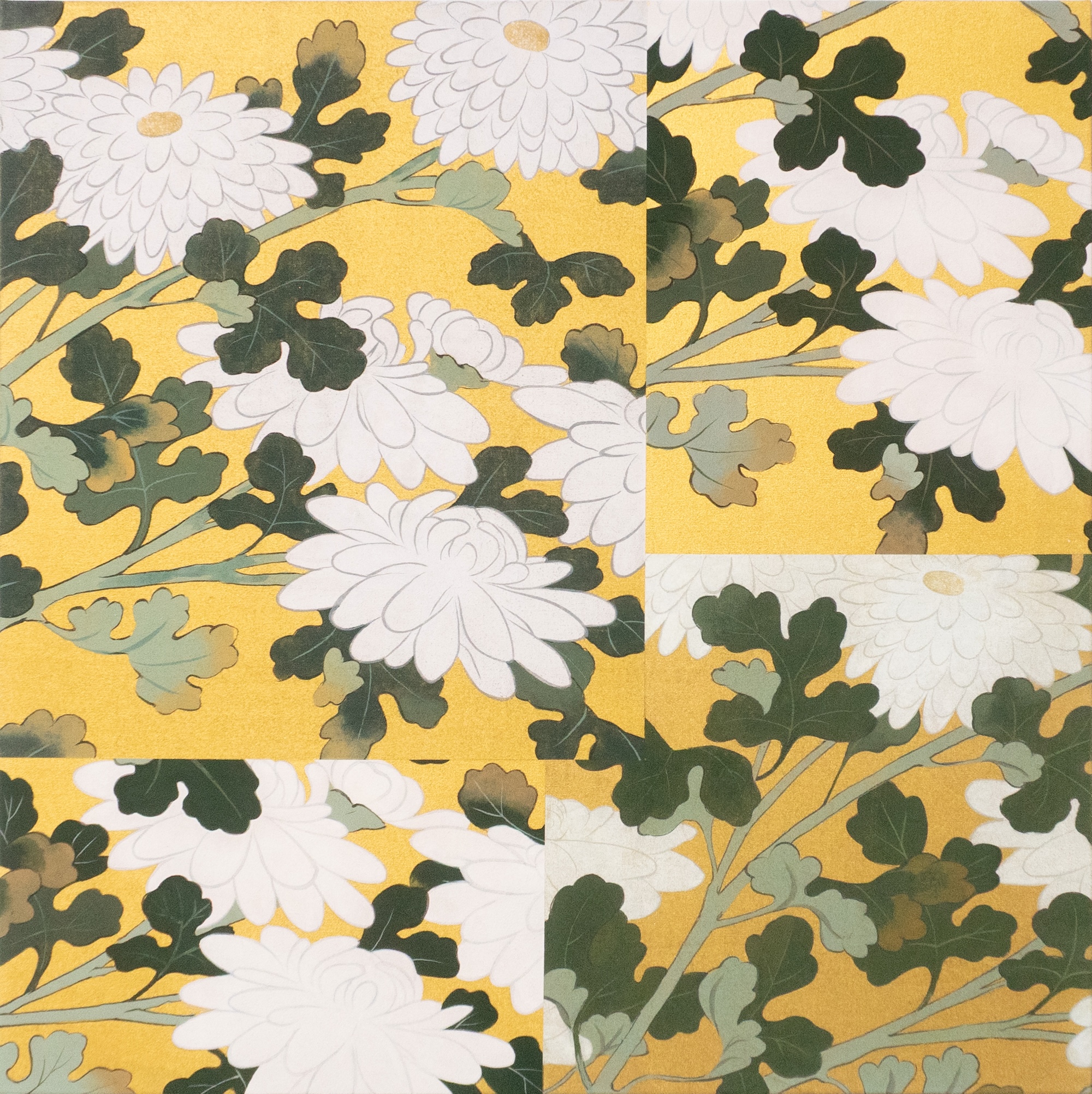
copy and paste2610, 2026
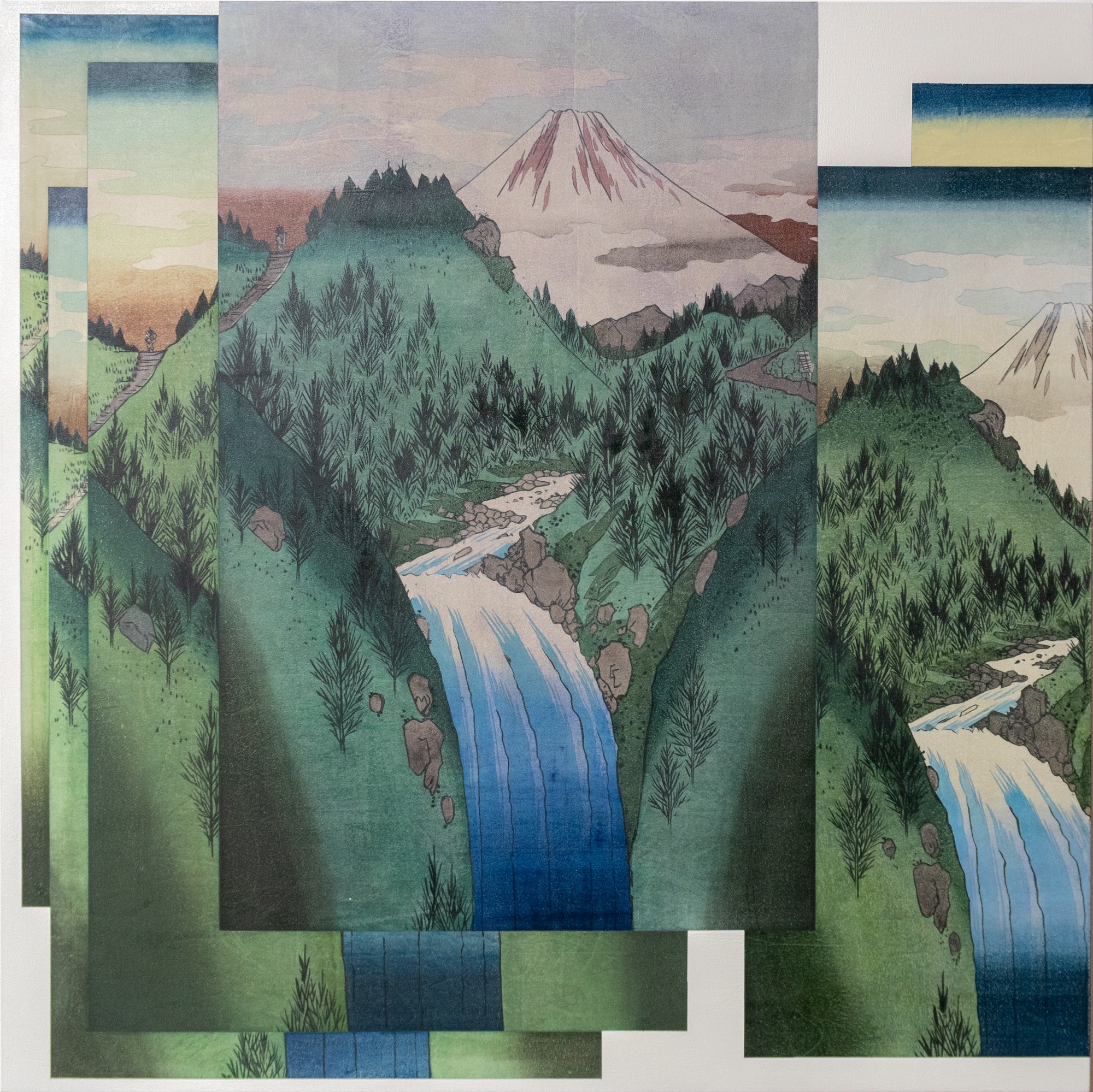
copy and paste2618, 2026